



Function
Zermatt Premium en daim et cuir vison coupe classique : rodage la première semaine, ajustement des brides et marche sur sol dur | Édition Membres BIRKENSTOCK
Your First Week in the Zermatt Premium Suede Leather Mink
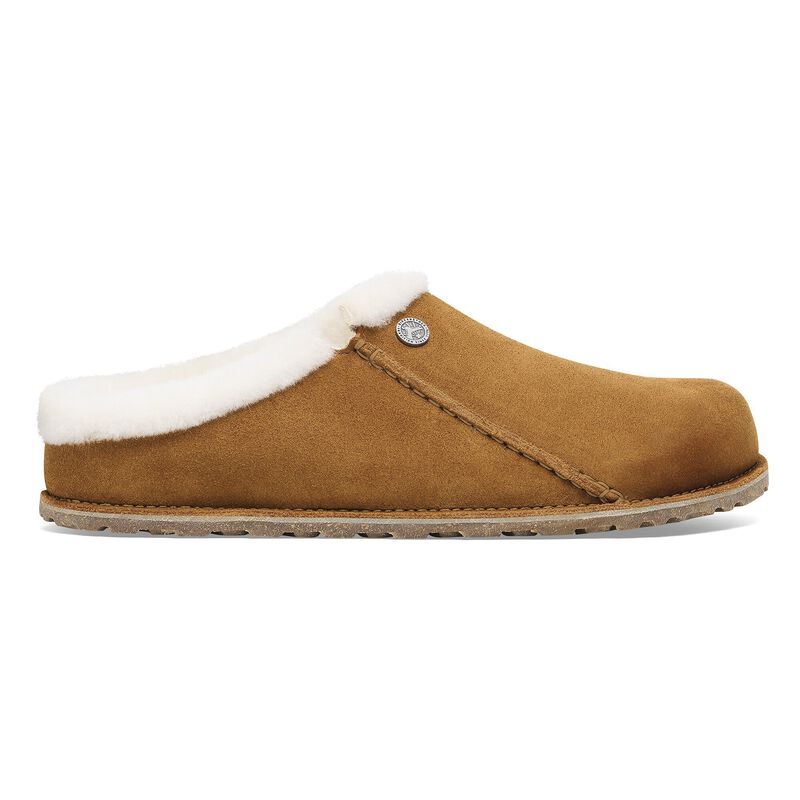
The Zermatt Premium Suede Leather in Mink is a slip-on that asks for a little patience and gives back a lot of comfort. That first week is where the magic happens: the cork footbed starts to mold to your foot, the suede upper softens, and you dial in the strap fit. This members-edit guide walks you through the break-in process, with real-world advice for hard floors and everyday wear.
Day 1: Meeting the Cork Footbed
When you first slide into the Zermatt, the cork footbed feels firm—almost unyielding. That's normal. BIRKENSTOCK cork footbeds are designed to adapt to your unique foot shape over time. The key is to start slow. Wear them for 20–30 minutes around the house on the first day. You'll notice the footbed's contoured arch and heel cup, but don't expect instant softness. The cork needs your body heat and weight to begin molding. This is not a defect; it's the beginning of a custom fit.
Days 2–3: Strap Fit and Upper Softening
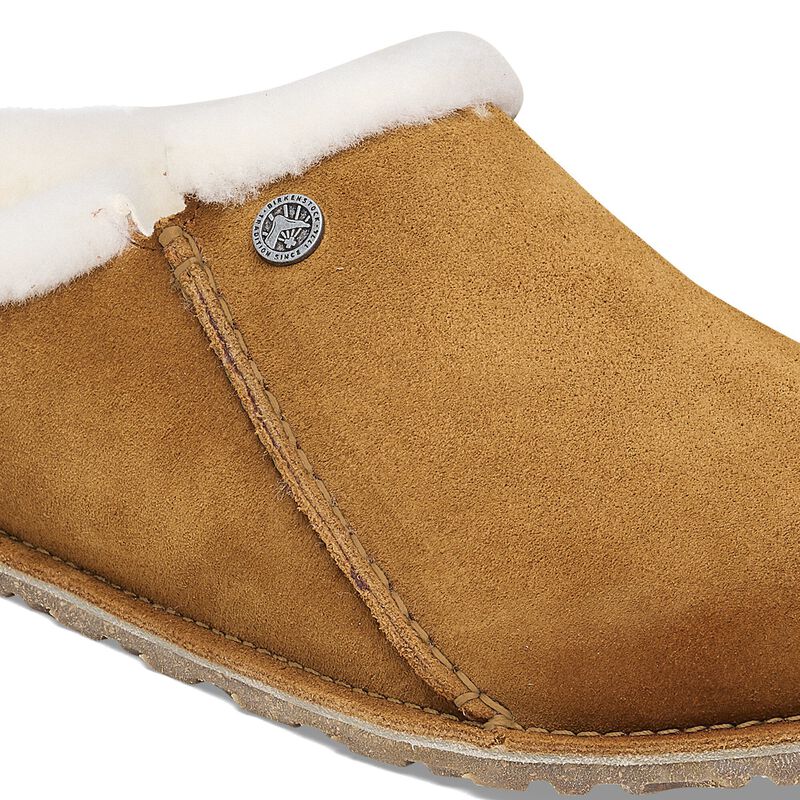
The Zermatt features a single strap across the instep, adjustable with a hook-and-loop closure. During these early days, take time to fine-tune the strap tension. It should be snug enough to keep your foot from sliding, but loose enough to allow slight movement. If you feel pressure points, loosen the strap a notch. The suede leather upper—here in the rich Mink shade—will start to soften and flex with each step. Suede is naturally pliable, so you'll feel it give a little more each day. If you chose Black, Stone Coin, Purple Fog, Thyme, Pink Clay, Antique White, Zinfandel, or Lavender Sky, the same principles apply: suede molds to you, but it needs a gentle introduction.
Days 4–5: Hard Floors and Real Steps
By mid-week, you can start wearing your Zermatt on harder surfaces—think tile, wood, or concrete. The cork footbed will begin to show subtle indentations where your heel and toes rest. That's the footbed molding to your stride. On hard floors, you'll appreciate the shock absorption that develops as the cork compresses. But don't overdo it: limit hard-floor wear to 30–45 minutes at a time. If your feet feel tired, switch to a softer surface or take a break. Remember, the footbed is still adapting. The Zermatt's lightweight design makes it easy to wear, but the break-in is a process.
Days 6–7: Checking In and Adjusting
By the end of the first week, you should feel a noticeable difference. The cork footbed will have started to contour to your arches, and the suede upper will feel like a second skin. Check the strap again—sometimes it needs a slight tightening as the suede stretches. Walk on hard floors for longer periods if you're comfortable. You might also notice that the footbed feels warmer and more responsive. This is the cork doing its job. If you have wide feet, the Classic fit of the Zermatt accommodates you, but if you need more room, consider adjusting the strap or trying a different size. The Zermatt is available in a range of colors, so if Mink isn't your match, explore Black, Stone Coin, Purple Fog, Thyme, Pink Clay, Antique White, Zinfandel, or Lavender Sky.
Why the Cork Footbed Matters
BIRKENSTOCK's cork footbed is the heart of the Zermatt. It's made from a blend of cork and latex, which provides cushioning and support. Over time, it molds to the exact shape of your foot, offering arch support and heel stability. Unlike synthetic footbeds that stay flat, cork responds to pressure and temperature. That's why the first week is so important: you're training the footbed to support you. On hard floors, this molded support can reduce fatigue and improve your posture. Give it time, and the Zermatt will feel like it was made for you—because it will be.
Strap Fit: The Key to Comfort
The Zermatt's hook-and-loop strap is a simple but effective feature. It allows you to customize the fit across your instep. During the first week, check the strap daily. If your foot slides forward, tighten it. If you feel pressure on the top of your foot, loosen it. The suede upper will stretch slightly, so you may need to adjust the strap after a few days. Remember, the goal is a secure but comfortable fit. If you're between sizes, go with the smaller size if the strap can be loosened, or the larger if you need more length. The Zermatt is designed for a classic fit, which means it accommodates average to slightly wide feet. For those with narrower feet, the strap can be tightened to hold the foot in place.
Walking on Hard Floors: Tips for Success
Hard floors—wood, tile, concrete—offer no give, so your footwear needs to absorb impact. The Zermatt's cork footbed does this, but it takes time to break in. Start with short walks on hard surfaces, then gradually increase duration. Pay attention to your heel strike; the footbed's heel cup will cushion each step. If you'll be standing for long periods, consider adding a BIRKENSTOCK arch support insole for extra comfort (though the Zermatt's footbed is already supportive). Also, rotate your Zermatt with other shoes to give the cork time to recover. With proper break-in, the Zermatt becomes a reliable companion for city streets and indoor spaces alike.
Color Options and Style
The Zermatt Premium Suede Leather comes in a curated palette: Black for classic versatility, Mink for a warm neutral, Stone Coin for a subtle grey, Purple Fog for a muted purple, Thyme for an earthy green, Pink Clay for a soft blush, Antique White for a clean look, Zinfandel for a deep red, and Lavender Sky for a light purple. Each color is dyed into premium suede, so you get rich, lasting hue. The Mink we're focusing on is a best-seller for its ability to pair with almost anything—denim, chinos, or even joggers. The suede has a matte finish that hides scuffs well, but you can brush it with a suede brush to keep it fresh.
Break-In Timeline Summary
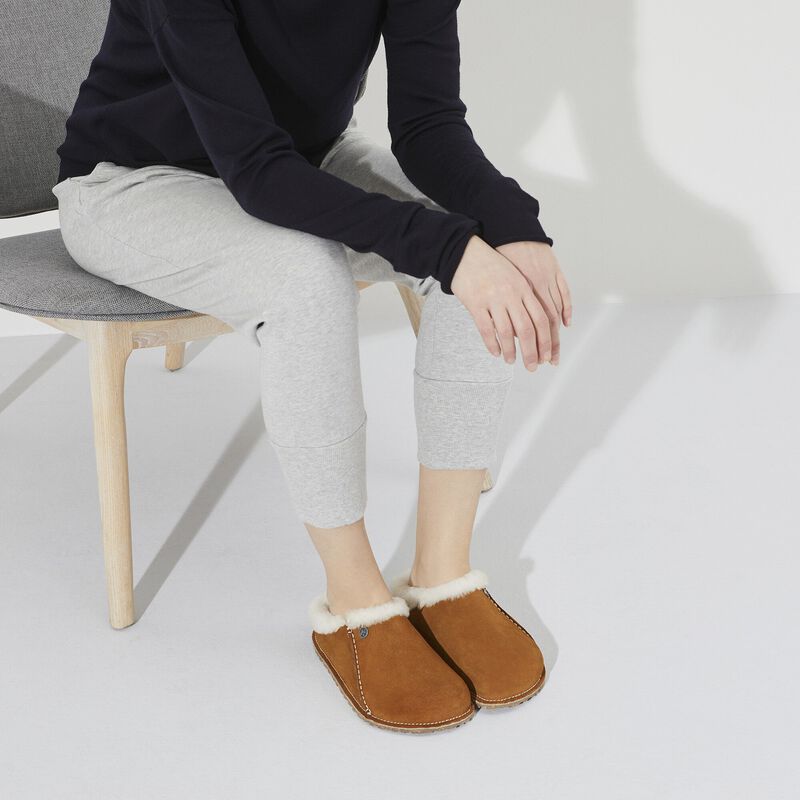
Day 1: 20–30 minutes indoors. Day 2–3: 1–2 hours with strap adjustments. Day 4–5: 2–3 hours including short hard-floor walks. Day 6–7: 3–4 hours, footbed starts molding. By week two, you should be able to wear them all day. Remember, everyone's break-in period varies. If you have sensitive feet, take it slower. The Zermatt rewards patience with a fit that feels custom-made.
Care and Maintenance
To keep your Zermatt looking good, treat the suede with a protective spray before first wear. This helps repel water and stains. If the suede gets dirty, brush it with a soft suede brush. Avoid soaking the cork footbed; if it gets wet, let it air dry away from direct heat. With proper care, your Zermatt will last for seasons. The cork footbed can be replaced by a cobbler if it wears out, extending the life of the shoe.
Final Thoughts
The Zermatt Premium Suede Leather in Mink is more than a slip-on; it's a footbed experience. The first week is a partnership between you and the cork, and the payoff is a shoe that supports you like no other. Whether you're walking on hard floors or lounging at home, the Zermatt delivers. And with nine colors to choose from, there's a pair for every mood. Take the time to break them in, and you'll be rewarded with comfort that lasts.
View this BIRKENSTOCK style in the shop
People also search
BIRKENSTOCK sandals waterproof options EVA
best BIRKENSTOCK for weekend travel packing
how often to replace BIRKENSTOCK cork footbed
BIRKENSTOCK Arizona white Birko-Flor scuff care
BIRKENSTOCK Arizona for men first pair guide
how to break in BIRKENSTOCK Zermatt Premium Suede Leather Mink Classic Fit cork footbed
BIRKENSTOCK sizing EU to US conversion chart
how to know BIRKENSTOCK size from foot length
BIRKENSTOCK sandals lightweight hiking light trails
are BIRKENSTOCK good for standing cooking at home
how to clean BIRKENSTOCK Birko-Flor without damage
BIRKENSTOCK Boston for office casual dress code
are BIRKENSTOCK sandals good for cobblestone city streets
BIRKENSTOCK Zermatt Premium Suede Leather Mink Classic Fit vs Arizona for walking
BIRKENSTOCK Arizona oiled leather darkens over time
best BIRKENSTOCK for city walking tour
BIRKENSTOCK sandals for sightseeing Europe cobblestones
BIRKENSTOCK Boston fit compared to Arizona
is BIRKENSTOCK Zermatt Premium Suede Leather Mink Classic Fit true to size
how to store BIRKENSTOCK cork footbed between seasons
BIRKENSTOCK wide width sandals for high volume feet
BIRKENSTOCK Boston shearling vs regular Boston
BIRKENSTOCK Arizona vs Milano for ankle support
do BIRKENSTOCK sandals run small or large
BIRKENSTOCK footbed sandals for standing on hard floors
BIRKENSTOCK Boston break in time first week
BIRKENSTOCK cork latex footbed how long it lasts
BIRKENSTOCK Arizona vegan Birko-Flor vs leather
BIRKENSTOCK Arizona two strap too loose how to tighten
BIRKENSTOCK footbed technology cork and latex
Trending BIRKENSTOCK searches
BIRKENSTOCK soft footbed
BIRKENSTOCK taupe suede
BIRKENSTOCK mink oiled leather
BIRKENSTOCK cork footbed
Arizona vs Boston
oiled leather clog care
BIRKENSTOCK for work standing
BIRKENSTOCK Gizeh
Zermatt Premium Suede Leather Mink Classic Fit Birko-Flor
BIRKENSTOCK EVA sandals
arch support sandals
BIRKENSTOCK platform Arizona
BIRKENSTOCK beach EVA
BIRKENSTOCK Zermatt Premium Suede Leather Mink Classic Fit
BIRKENSTOCK Big Buckle
cork footbed care
two strap sandal
BIRKENSTOCK vegan Birko-Flor
BIRKENSTOCK 2026 trends
BIRKENSTOCK wide width
